Fall has a way of moving faster than the calendar suggests. One weekend you're eating dinner on the patio in a sweatshirt, and the next there's frost on the table and you're hauling cushions into the garage after dark. Two hours of work on a dry afternoon now saves you from scrubbing mildew off fabric in May or replacing the cracked planter you've had for a decade.
The order matters more than the effort: clean, dry, protect, store. Work through it once and you can ignore the whole thing until spring.
Pick the Right Afternoon and Gather Your Supplies
Wait for a dry stretch — ideally two dry days, so anything you wash has time to dry completely before it gets covered or packed away. Mild temperatures help too; cleaners work better and fabric dries faster above roughly 45°F (7°C).
You don't need much:
- Mild dish soap, a soft brush, and two buckets — one soapy, one for rinsing
- Microfiber cloths and a hose with a spray nozzle
- A wire grill brush and a putty knife for scraping
- Breathable furniture covers or cotton storage bags
- A small bin or zip bag for hardware: screws, bolts, foot caps, umbrella pins
Skip the pressure washer on wicker, wood, and cushions. It forces water into seams and fibers where it sits for months. A garden hose and a brush do the job without the damage.
Clean Before You Cover Anything
Dirt isn't just cosmetic. A layer of pollen, dust, and leaf tannin holds moisture against the surface it sits on, and damp grime is how mildew, rust, and stained cushions get started.
Wash frames with mild soapy water, rinse, then tilt them so water runs off instead of pooling in joints or under rims. Aluminum and powder-coated steel handle this well.
Wrought iron needs a closer look. If you find chipped paint or a spot of rust, sand it lightly and touch it up with matching paint or a rust-inhibiting primer. A chip the size of a dime in October becomes a peeling patch by March.
Teak and other hardwoods: soap, water, and a soft brush. Don't oil them now. Oil applied before a wet season can trap moisture rather than keep it out, and outdoor wood is better served by a clean, dry surface going into winter.
Wicker and rattan: vacuum with a brush attachment, wipe with a barely damp cloth, and let it dry fully in the sun. Resin furniture is the easy one — hose it off, wipe it down, done.
Cushions and Fabric: Dry Is the Entire Game
Vacuum both sides of every cushion with an upholstery attachment, including the seams. Spot clean stains with a mild soap solution and a cloth rather than soaking the foam, then let them air dry in direct sun until they're dry through. Press on a seam and check for any coolness or dampness before you call it finished.
A few things matter once they're dry:
- Never store cushions damp. Mildew starts within days in a closed space.
- Skip sealed plastic bins and plastic bags. They trap condensation and any residual moisture. Cotton canvas bags, pillowcases, or a ventilated deck box are better choices.
- Store off the floor. A shelf or a pallet keeps cushions away from concrete that sweats in cold weather.
- Watch for rodents. Foam makes excellent nesting material. Cedar blocks or a sealed bin in a garage corner is cheap insurance.
If your cushions have zippered slipcovers, wash them according to the label and put them back on the dry foam before storing. It's far easier than wrestling with them in spring.
Anything you cover should be drier and cleaner than it was when the season started. Otherwise you're just trapping the problem under a tarp.
Shut the Grill Down Properly
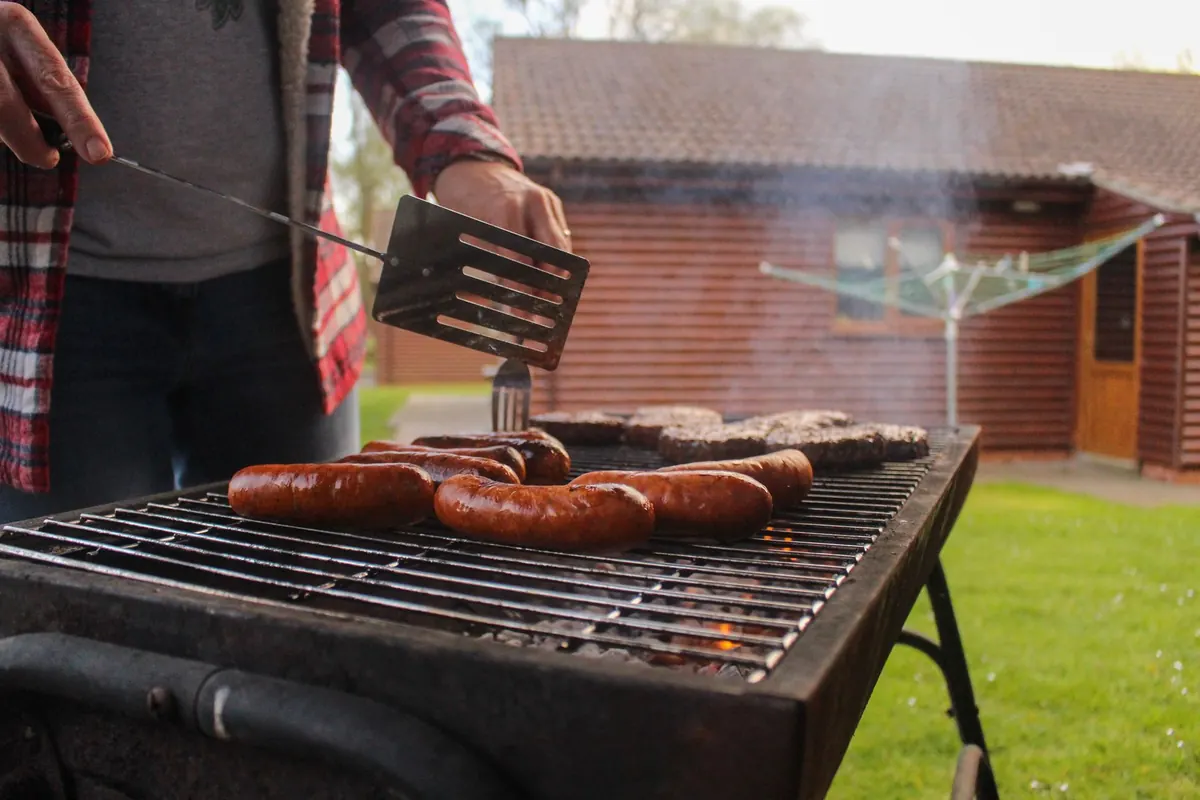
Give the grill one last high-heat burn, then brush the grates while they're still warm and the residue comes off easily. Scrape the firebox, empty the grease tray, and — once everything is completely cold — vacuum out the ash from a charcoal grill. Ash holds moisture against metal.
Wipe the exterior, check for rust at the seams and legs, and touch up anything you find. For propane, close the valve, disconnect the tank, and store it upright outdoors in a well-ventilated spot away from heat, doors, and windows. Tanks don't belong in basements or attached garages; check your local rules if you're unsure. Charcoal and briquettes should go into a sealed container off the ground.
Deal With Planters and Pots Before the First Freeze
Wet soil expands when it freezes, and that's what cracks terracotta and glazed pots. Empty the ones you can and stack them somewhere dry, with newspaper between them so they don't chip.
For pots you'd rather leave planted:
- Move them against the house or under an eave, where they get shelter and reflected warmth.
- Cluster them together and wrap the group with burlap or an old blanket.
- Elevate each pot on bricks or pot feet so drainage holes don't freeze shut.
- Empty saucers and trays so water can't sit beneath the pot.
Water evergreens and shrubs in containers well before the ground freezes hard, then mulch the surface. Trim spent perennials and leave the crowns alone until spring.
Furniture: Cover It, Store It, or Let It Stand
Not every piece needs the same treatment. Metal furniture can stay out if it's covered; wood and wicker are better off indoors or in a shed; resin will shrug off winter either way. Glass tabletops should come inside and stand vertically, or be covered with a rigid panel so snow doesn't pile up on them.
Whatever stays outside, get it off the ground. Pavers and concrete wick moisture upward, and legs are usually the first thing to fail. Use pot feet, blocks, or a low pallet.
Cover with breathable fabric and tie it down so wind doesn't turn the cover into a sail. Avoid plastic tarps — they seal in condensation and do more harm than no cover at all. Don't stack chairs four high; two is usually stable, and a scrap of cloth between frames prevents scratches. Tighten loose bolts now, and if you disassemble anything, bag the hardware and tape it to the frame.
Umbrellas: clean and dry the canopy, close it, and store it indoors. Hoses: drain them, coil them, and bring them in. If you live where pipes freeze, shut off the outdoor faucet and drain the line.
A Short Walk Before the First Hard Freeze
Do one lap around the patio a day or two before the forecast turns. Look for anything still sitting out — string lights, small decor, a forgotten watering can, a thermometer, plant saucers. Tip standing water out of furniture. Check the ground for anything that could trap moisture against a leg or a pot.
Then leave it alone. There's nothing to fuss over between now and spring, and when the first warm afternoon arrives, you'll pull a dry, clean cushion out of a bag, set it on a chair that isn't rusted or cracked, and sit down. That's the whole point of doing this in October instead of April.
Photo: Connoman / Pixabay